
CUSTOMS HIRE-PURCHASE SERVICES CENTER
Tractor & Farm Equipment Services for Small Farmers
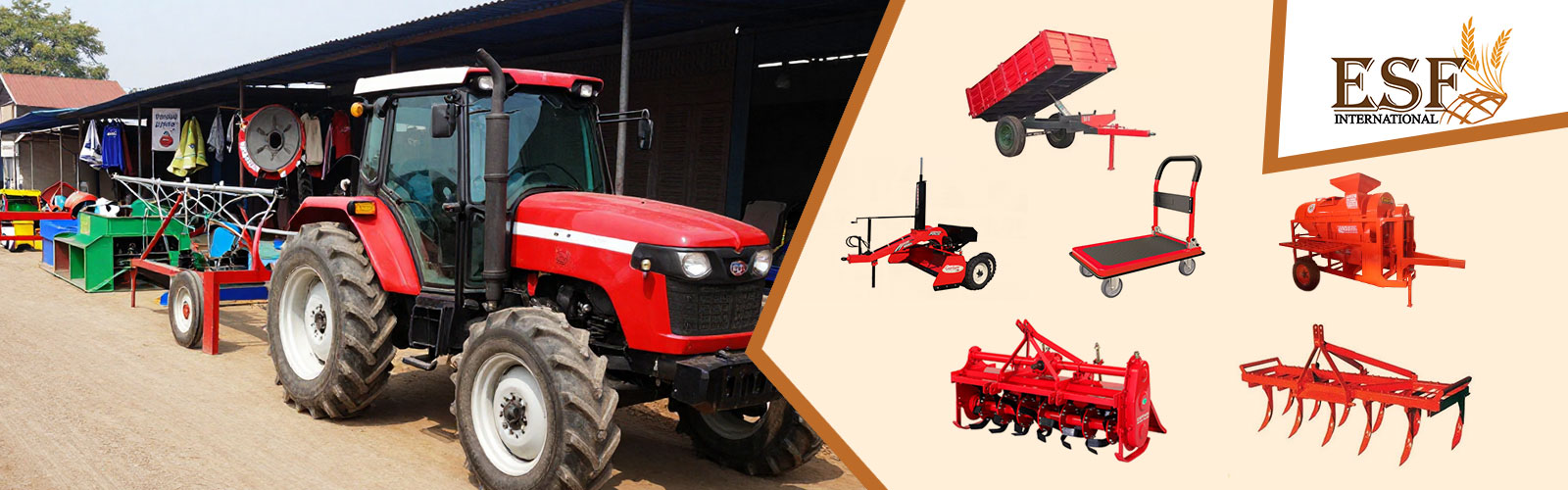
| Operational Area | Goharni Village, Uttar Pradesh |
| Project Duration | 2 Years |
| Project Budget | ₹ 1 Crore |
Currently, there are about 45 lakh farmers in India owning tractors, mostly belonging to large landholding families. Nearly 97 percent of farmers lack access to mechanized farming due to small land holdings and financial constraints.
Establishing a Customs Hire-Purchase Services Center within village communities enables small farmers to access tractors and equipment at affordable rates on a no-loss, no-profit basis, preventing exploitation and increasing farm productivity.
The project operates in Shamli District, Uttar Pradesh, specifically in the Kasampur Circle covering 15 villages and over 8,354 farming families engaged in sugarcane cultivation and other crops.
There are about 45 lakh farmers in India owning tractors, most of whom are resource-rich large farmers. They constitute barely 3 percent of India’s 14.60 crore farming households. The remaining 97 percent are deprived of mechanized farming primarily due to extremely small land holdings, often limited to one acre.
Small farmers cannot afford to purchase tractors and farm machinery. Their only option is to rent equipment from large farmers, who often charge exorbitant rates ranging from ₹1,200 to ₹1,500 per hour. This forces small farmers into subsistence farming, as a significant portion of their income is spent on rental charges, threatening their economic survival.
Simultaneously, rampant migration of unemployed rural youth to cities has intensified. Younger generations increasingly view agriculture as low-paying and labor-intensive, leading to the rise of “proxy farming,” where large farmers take multiple landholdings on contract. This trend poses serious social and economic challenges for rural India.
The urgent need is to transform agriculture from subsistence farming into a viable business. This transformation is possible only through complete mechanization of small farm holdings within a public-domain service model.
Providing rent-free tractor and farm equipment services to extremely poor farmers, and offering services to small farmers on a No-Loss, No-Profit basis, can dramatically improve productivity, ensure inclusive growth, and augment agricultural income. This approach will uplift vulnerable farming communities and ensure their long-term sustainability.
The Customs Hire-Purchase Services Project is designed to secure the survival of small and marginal farmers while reversing distress-driven migration. By replacing manual drudgery with mechanization, farming becomes dignified, efficient, and economically viable.
- Reduced Cost of Cultivation
- Increased Farm Productivity
- Prevention of Rural Youth Migration
- Creation of Village Avocations
Freed rural manpower can now be engaged in complementary village-based avocations such as food processing, fair-price farm shops, tractor and machinery repair workshops, compost manure production, and locally made dairy products like paneer. This integrated livelihood ecosystem strengthens rural economies and builds resilient communities.
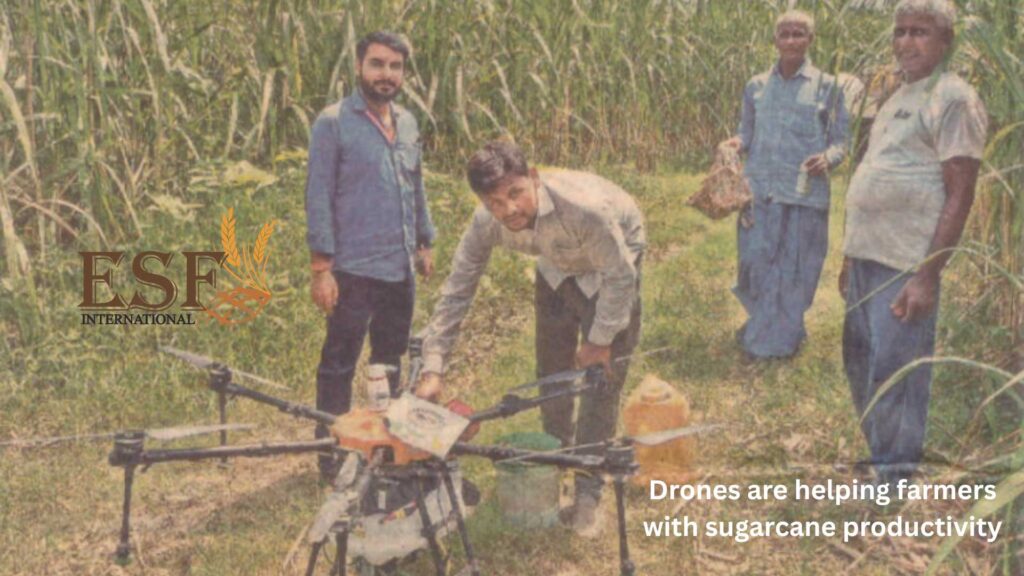
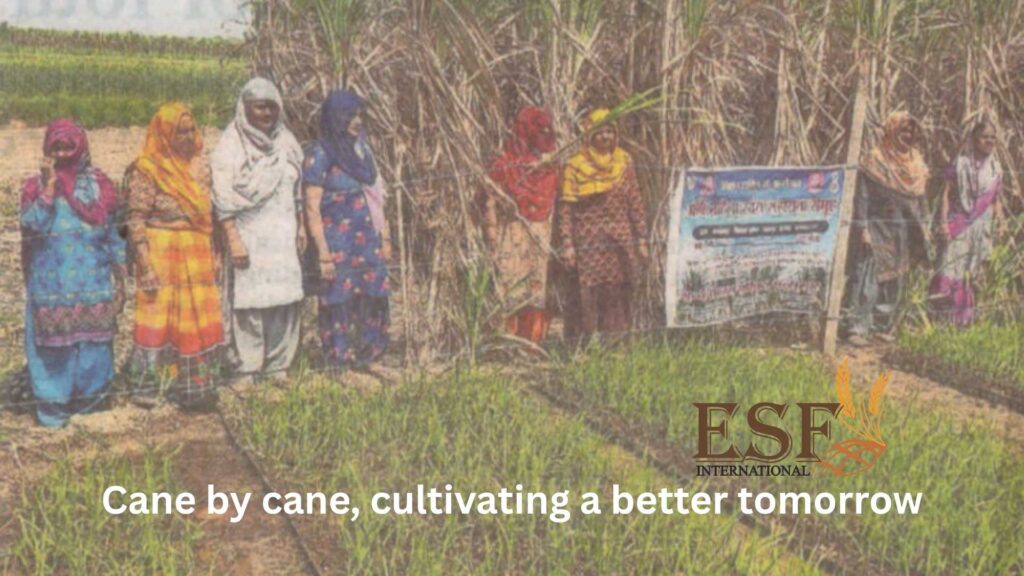
According to the Commission for Agricultural Costs & Prices, sugarcane farmers in India earned a gross return of Rs. 1,76,725 per hectare during 2015–16, with a speed of increasing income at Rs. 9,416 per annum per hectare, i.e., 7.26% increase per annum over the year 2010–11.
By doubling this speed during a block of 5 years, farmers’ gross earnings would reach Rs. 2,69,461 by the end of the 5th year, with the speed of increasing income at Rs. 18,547 per annum per hectare. This represents a 10.49% increase in income per annum.
Again, by doubling this speed during the next block of 5 years, farmers’ gross income would touch a figure of Rs. 4,70,965 by the end of the 5th year of this block, with the speed of increasing income at Rs. 40,300 per annum per hectare. In percentage terms, this is a 14.95% increase per annum.
By this methodology of technology application, gross returns earned in 2016 are doubled within 7 years. The share of tractor and farm equipment in this increase is roughly accounted at 50%. Mechanized farming, therefore, is a notable technological and innovative intervention in augmenting farmers’ income.