Patients Transport Ambulance
Relief for Rural People in Healthcare Services
| Operational Area | "Goharni" Village in UP |
| Project Duration | 2 Years |
| Project Budget | ₹ 50 Lakhs |
Health data released by the Union Ministry of Health & Family Welfare reveals that the prevailing death rate in rural India is 9.4 persons per 1,000 population, compared to only 6.3 persons per 1,000 in urban areas. This disparity clearly reflects the distressing healthcare situation in rural regions, largely caused by inadequate delivery of essential healthcare services.
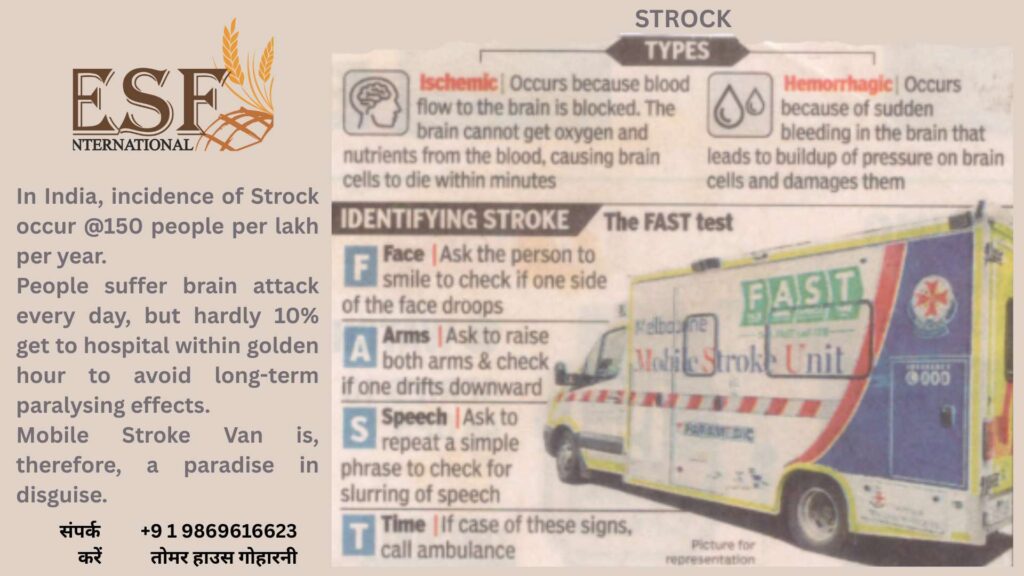
Among various service gaps, the non-availability of Patients Transport Vehicles (Ambulances) stands out as a major contributor to higher mortality in villages. Due to lack of timely transport, rural patients often fail to receive medical care when it is most needed.
This reality is corroborated by the findings of Lancet researchers through the Longitudinal Ageing Study conducted during 2017–18 covering 32,000 Indians. The study highlights a stark urban–rural divide in access to OPD services and hospitalization.
While urban adults typically access OPD services within 10 km, rural residents travel nearly 30 km for similar care. For in-patient hospitalization, elderly rural patients travel up to 44 km. Such long distances delay treatment, worsen health outcomes, and disproportionately affect the elderly.
Ensuring healthcare services within a 10 km radius is a key indicator of a developed healthcare system. Addressing transport barriers through community-based transport, mobile medical vans, digital healthcare, and home-based primary care is essential for inclusive healthcare delivery.
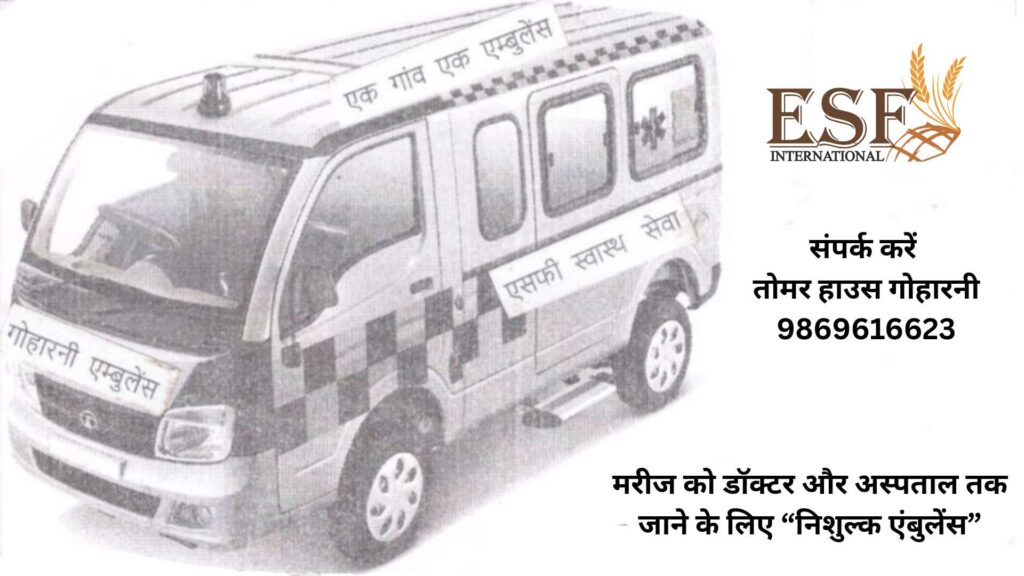
The remedial solution lies in creating infrastructure for rapid mobility of rural patients. Since most advanced medical facilities are located in cities, providing Patients Transport Ambulances at village doorsteps becomes critical.
The concept of One Village – One Ambulance addresses this gap effectively. On average, a model village comprises about 1,000 families, and a single ambulance can serve nearly 5,000 individuals efficiently.
Healthcare extends beyond hospitals and doctors. Availability of medicines, adequate nutrition, safe housing, sanitation, hygiene, environmental safety, and reliable patient transport systems are all integral to health outcomes.
- Doorstep Emergency Transport
- Reduced Rural Mortality
- Timely Access to Hospitals
- Equitable Healthcare Delivery
Among these interventions, Patients Transport Ambulance services are of paramount importance, acting as the critical link between rural communities and life-saving healthcare facilities.